Conference Overview
Location: Kampala Uganda Date: 9-11 December 2026
The State of the Building Sector Conference 2026 is a multi-disciplinary platform convened by National Building Review Board (NBRB) to strengthen coordination, innovation, and regulatory compliance in the building sector. National Building Review Board (NBRB), a statutory body established under the Building Control Act, Cap 136 (2013), is mandated to promote and ensure planned, decent and safe building structures that are developed in harmony with Uganda’s environment. The conference will bring together government agencies, professional bodies, academia, development partners and industry actors to reflect on progress, share evidence-based research findings, and shape future policy actions for a safe, sustainable, and inclusive built environment.
Special Conference Theme
BEYOND BRICKS: Advancing Building Standards for Sustainable Development This theme underscores the shift from traditional construction to standards-driven, technology-enabled, and climate-resilient building practices that enhance safety, quality, and urban resilience.
Sub-themes
| Sub-theme 1 | Strengthening Standards and Regulations for Safe and Resilient Buildings |
|---|---|
| Sub-theme 2 | Innovation, Technology, and Digital Transformation in Building Control |
| Sub-theme 3 | Capacity Building and Institutional Excellence |
| Sub-theme 4 | Inclusive Urban Development and Community Engagement |
Conference Standing Themes
| Theme 1 | Innovations in Construction Materials and Practices |
|---|---|
| Theme 2 | Climate-Resilient Construction Practices |
| Theme 3 | Construction Project Management, Maintenance and Rehabilitation for a Sustainable Built Environment |
| Theme 4 | Advances in Experimental and Numerical Techniques toward Design Guidelines |
Important Dates
| Call for Abstracts Opens | January 02, 2026 |
|---|---|
| Abstract Submission Deadline | April 30, 2026 |
| Notification of Accepted Abstracts | May 30, 2026 |
| Full Paper Submission Deadline | July 31, 2026 |
| Final Paper Acceptance | October 15, 2026 |
| Conference Dates | December 9–11, 2026 |
Expected Key Outcomes
This conference is envisaged to generate practical and policy-relevant deliverables, including:
- National Building Regulatory Reform Action Plan
- Model inspection and enforcement protocols for local governments
- Policy briefs on digital transformation and climate-resilient construction
- National competency and performance framework for building control personnel
Who Will Participate?
The event will serve as a collaborative platform to celebrate innovation, professionalism, and compliance in the built environment. The key stakeholders include:
- Academia and research institutions
- Developers, contractors, and consultants
- Central and local government entities
- Professional bodies and regulatory agencies
- Development partners and civil society
- Private sector and technology innovators
Conference Structure
The three-day program will feature:Day 1 Opening Ceremony & Policy Plenary
Launch of the NBRB Flagship Report on the state of the building sector. It will support evidence-based regulation, planning, and high-level policy dialogue
Day 2 Technical & Innovation Sessions
Research presentations, case studies, digital systems demonstrations
Day 3 Exhibitions, Awards & Closing Ceremony
Awards gala, public showcase, and adoption of the Conference Communiqué
Official Conference E-mail Address
Justification for the conference
Uganda’s rapid urbanization, driven by population growth and the increasing demand for housing and infrastructure, presents both significant opportunities and complex challenges (UBoS, 2024). As the number of cities and towns expands, ensuring that the built environment is safe, affordable, inclusive, and resilient has become increasingly critical (UN-Habitat, 2020, 2022). However, the sector continues to face persistent constraints, including weak enforcement of building regulations, limited technical capacity at both national and local levels, inadequate data to support evidence-based decision-making, and low levels of public awareness regarding compliance obligations (NBRB, 2024; NPA, 2020). In response to these challenges, the “State of the Building Sector Conference” is being convened as a strategic platform to:
- Review progress, identify gaps, and address emerging issues in building regulation and compliance;
- Reaffirm the critical role of building standards in advancing Uganda’s national development priorities;
- Promote innovation, research, and the adoption of modern technologies to enhance building practices;
- Foster strategic partnerships among the government, private sector, academia, and civil society actors; and
- Facilitate evidence-based dialogue and coordinated action to strengthen regulatory systems and enhance the safety and quality of Uganda’s built environment (MoWT, 2023; NBRB, 2024) .
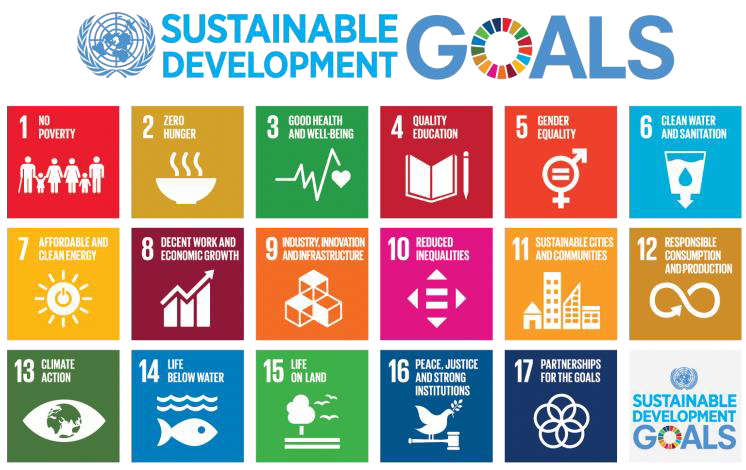
The conference initiative provides a timely and strategic opportunity to align national building control agenda with Uganda’s Vision 2040 (NPA, 2013), National Development Plan (NDP) IV (NPA, 2024), and the Sustainable Development Goals (SDGs) (UNDESA, 2023).
Relevance to Uganda’s development agenda (NDP IV)
In alignment with Uganda’s NDP-IV (NPA, 2013), the “State of the Building Sector Conference” is strategically positioned to reinforce Uganda’s commitment to sustainable urbanization, enhanced service delivery, and resilient infrastructure development through building standards, regulation, and stakeholder meeting. The initiative contributes to the following NDP IV priorities:
- Sustainable Urban Development and Housing: The conference promotes planned and orderly urban growth by emphasizing adherence to building standards and compliance to the building control legal framework. This supports the creation of safe, affordable, and inclusive settlements that enhance urban liveability and reduce the risks associated with unregulated construction.
- Human Capital Development and Institutional Strengthening: By facilitating knowledge exchange, capacity building, and professional training for practitioners and local government authorities, the conference contributes to improved institutional performance, regulatory enforcement, and service delivery in the building sector. These outcomes strengthen the institutional backbone required to implement and sustain building control systems at scale.
- Innovation, Research, and Technology Adoption: The event provides a dynamic platform to showcase research outputs, reward innovation, and promote emerging construction technologies and methodologies. This directly supports Uganda’s industrial and technological transformation agenda by accelerating the uptake of modern, efficient, and context-appropriate building solutions.
- Climate Resilience and Environmental Sustainability: By recognizing and promoting climate-adaptive construction and resilient building practices, this conference aligns with NDP IV commitment to environmentally sustainable infrastructure. It advances Uganda’s effort toward reducing environmental degradation, strengthening climate change adaptation and mitigation strategies, and building robust systems capable of withstanding future shocks.
Relevance to Africa agenda 2063
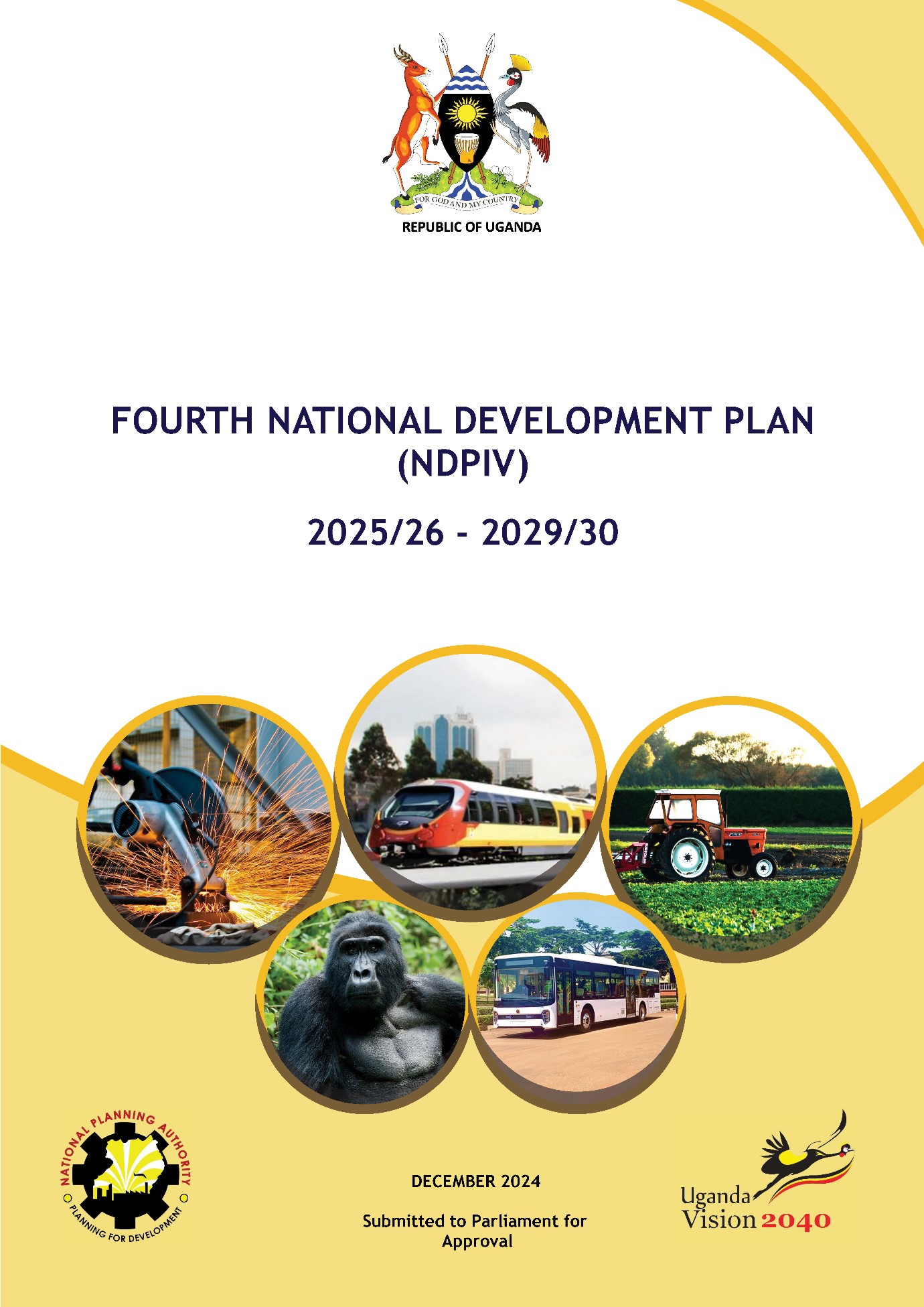
The proposed “State of the Building Sector Conference” aligns closely with Africa’s Agenda 2063, the African Union’s blueprint for inclusive and sustainable development. Agenda 2063 envisions “an integrated, prosperous and peaceful Africa, driven by its own citizens and representing a dynamic force in the global arena.” Specifically, the conference advances Aspiration 1 – a prosperous Africa based on inclusive growth and sustainable development, and Aspiration 7 – Africa as a strong, united, resilient, and influential global player and partner. Through Africa’s focus on safety, sustainability and regulatory excellence in the built environment, this conference contributes to the realization of Goal 10 (Environmentally sustainable climate-resilient economies and communities), and Goal 12 (Capable institutions and transformative leadership in place at all levels).
By fostering collaboration among African building regulators, promoting innovation in construction technologies, and mainstreaming green and resilient building practices, the initiative supports regional integration and knowledge exchange across the continent. Thus, the “State of the Building Sector Conference” operationalizes Agenda 2063’s First Implementation Plan (2024–2033) by advancing infrastructure development, human capital strengthening, and the creation of sustainable, habitable cities that embody Africa’s long-term development vision.
Relevance to UN’s SDGs
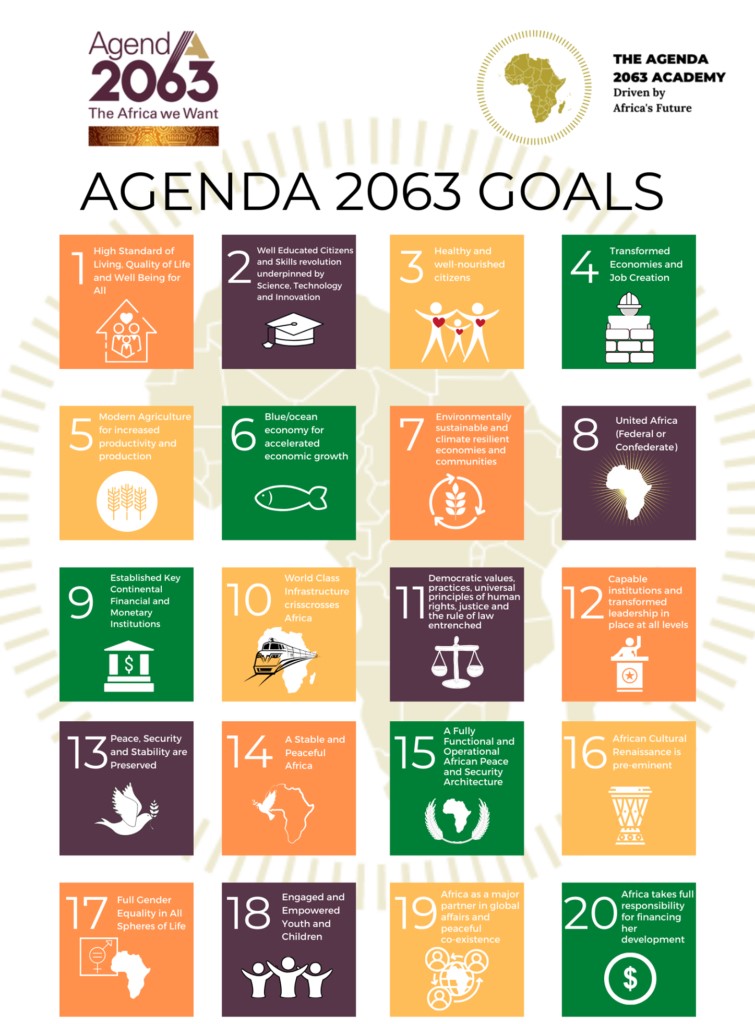
The “State of the Building Sector Conference” is not only aligned with national priorities in NDP-IV (NPA, 2013), but also contributes directly to the achievement of United Nations SDGs. By fostering regulatory compliance, innovation and inclusive development, the initiative strengthens Uganda’s contribution to global sustainable development efforts. Specifically, the conference advances the following SDG targets:
- SDG 11: Sustainable Cities and Communities: The conference outcomes will promote safe, resilient, and inclusive urban growth through improved physical planning, adherence to building standards, and the adoption of accessible and affordable construction practices. These efforts support the creation of well-planned and liveable communities, contributing to the wider objective of inclusive, safe, resilient and sustainable cities (UN-Habitat, 2020, 2022; United-Nations, 2015).
- SDG 9: Industry, Innovation and Infrastructure: By fostering innovation in construction technologies, promoting digital transformation in building control, and advancing professional standards in infrastructure delivery, the event aligns with global efforts to build resilient infrastructure, promote sustainable industrialization, and foster innovation. This supports Uganda’s agenda of accelerating industrial development and technological advancement (NPA, 2024; UNDESA, 2023).